THOUGHTS ON SQUARESPACE’S 2026 WEBSITE DESIGN TRENDS
When we think of trends, we often call to mind overplayed audio and fleeting moments flooding our feeds. And just as we try to make sense of them, they disappear into the wind…
But then there are trends that are more meaningful, those that identify the direction things are moving and our role in their evolution. For website designers, that’s Squarespace’s announcement of their 2026 Web Design Trends.
At first glance, these five trends feel overdone and overwhelming as our favorite web builder decided to forgo the built-out template options they offered last year, and instead just offered stylized headers for each. At first, we basically said no to all of it. But then we dove deeper, and the reasons for each of these trends — and how best to integrate into website design — revealed that each has a place.
Identified in collaboration with ilovecreatives, the future of website design is trending away from a traditional minimalist aesthetic [yes, our hearts break] toward a more colorful, textural, and animated digital presence. Where we can find common ground is that storytelling goes beyond words, and that trends are not a strict set of rules and guidelines. These various elements can inspire how you elevate your online presence while staying true to your brand identity.
Here’s a quick breakdown of each trend, and the pros and cons we’ve identified for small business and nonprofit websites:
Archival Index
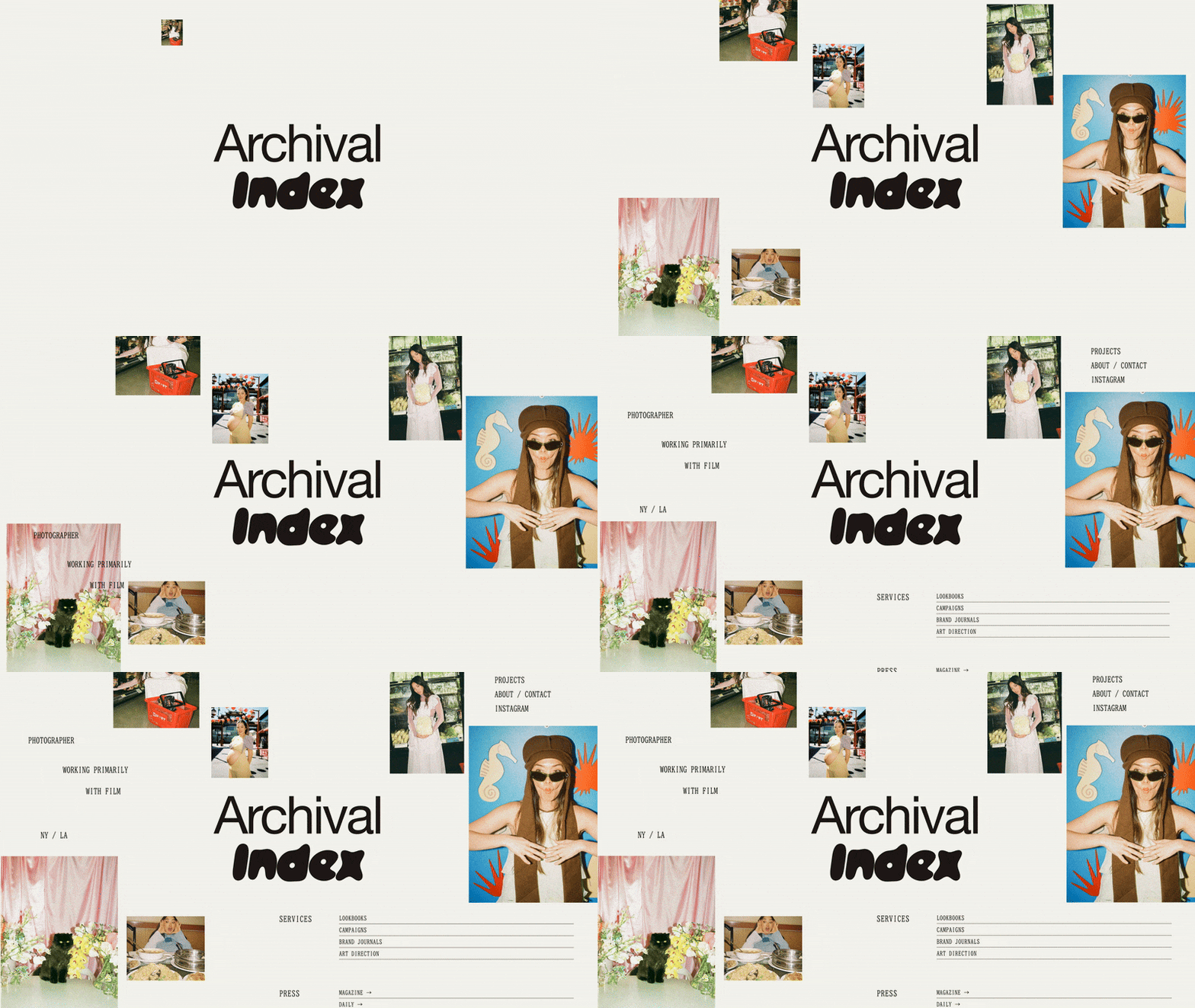
It’s probably no surprise that when we took the quiz [c’mon, who doesn’t love a quiz!] to determine which trend matches our personality, Archival Index won. It’s described as the minimalist’s comfort zone, and utilizes powerful visuals and copy to tell the whole story. By developing a hierarchy to position key information front and center, users of this trend can ensure their content leads to action.
Pros: This trend is well-suited for nonprofit organizations with several services or offerings and extensive information to share online. It’s also great for portfolio content, and offers the opportunity to play with different photo layouts.
Cons: When you have a lot of information on your website, you run the risk of seemingly endless pages to scroll on mobile. Squarespace’s new layers panel allows designers to further customize the mobile view by hiding various content blocks so you can showcase what tells your story best for an improved user experience.
Glassmorphism
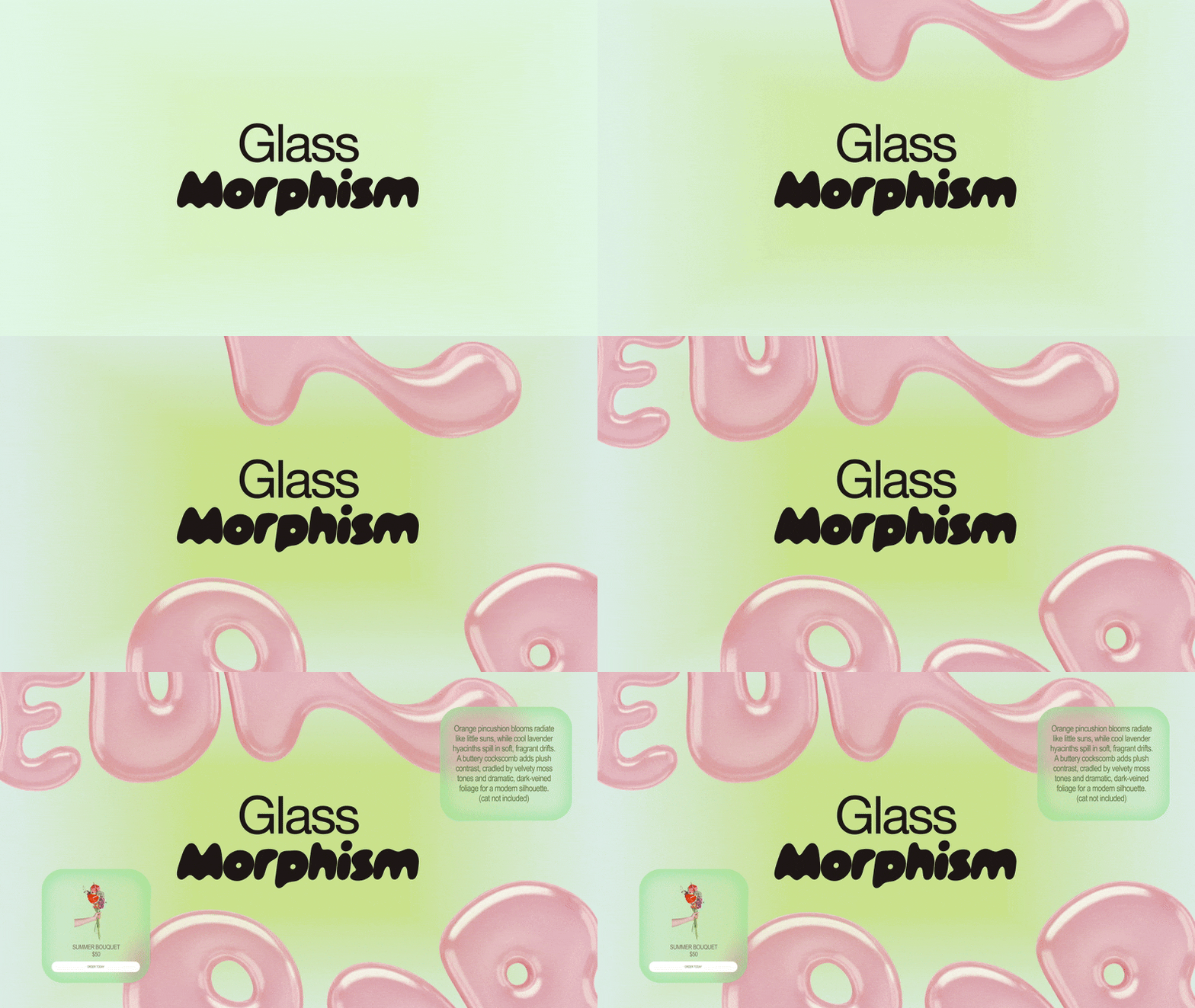
We’re suckers for great packaging and beautifully designed aesthetics. So much so that in some cases, this is a main factor in our brand loyalty. What Glassmorphism suggests is a nod to that, and endeavors to capitalize on elevated and intentional design. This trend takes things a step further by creating an almost physical-feeling space online. There’s depth, 3D elements, layers, and movement. There’s also a softness to this aesthetic that can create visual interest for brands.
Pros: Two key elements are transparency and blur, which are native features in Squarespace. We’ve found these tools useful when pairing text over busy images, or utilizing color gradients to add some cohesiveness to photos in different styles and color palettes.
Cons: This can be a challenge to implement without sacrificing accessibility. Overusing various elements will result in a design that feels chaotic, hides the important details, and may ultimately lose customers.
Creative Process
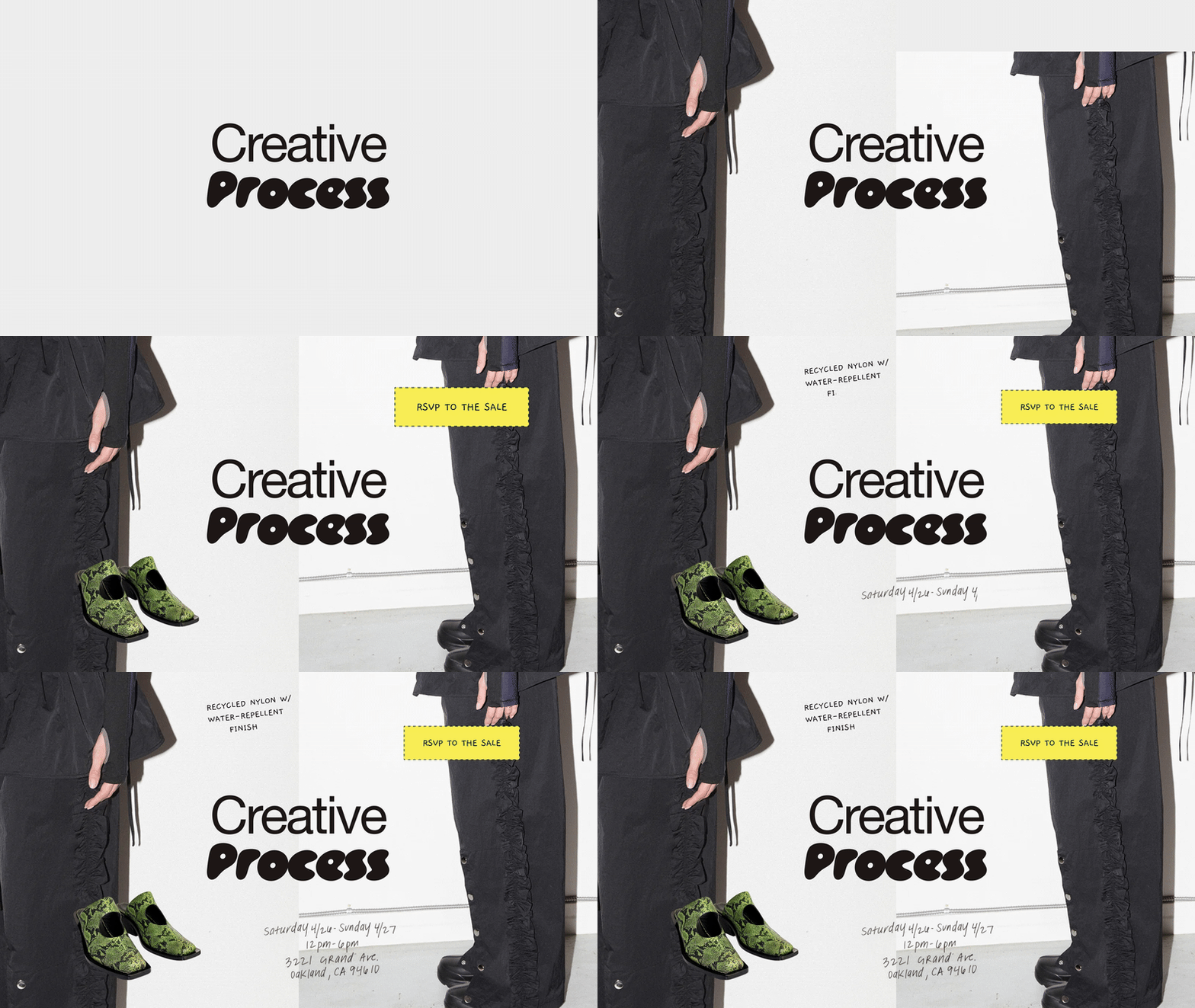
“Messy” is not a word we want to associate our website designs with. However, the human touch is not perfect, and there’s ways to embrace the elements of Creative Process without the associated chaos. We love how this trend encourages behind-the-scenes content, use of texture [something we’ve done for our clients], and personal touches to engage online audiences. It’s honest, real, and an opportunity to form meaningful connections in your community.
Pros: This trend complements the real-life experience of industries that prioritize craftsmanship and artistry, like floral designers, bakers, visual artists, wine producers, and fashion brands.
Cons: Trademarks of this trend include layering elements to create a digital collage. It’s important to be intentional so as to avoid overwhelming the page with too many visuals that can veer from its purpose.
Motion Narrative
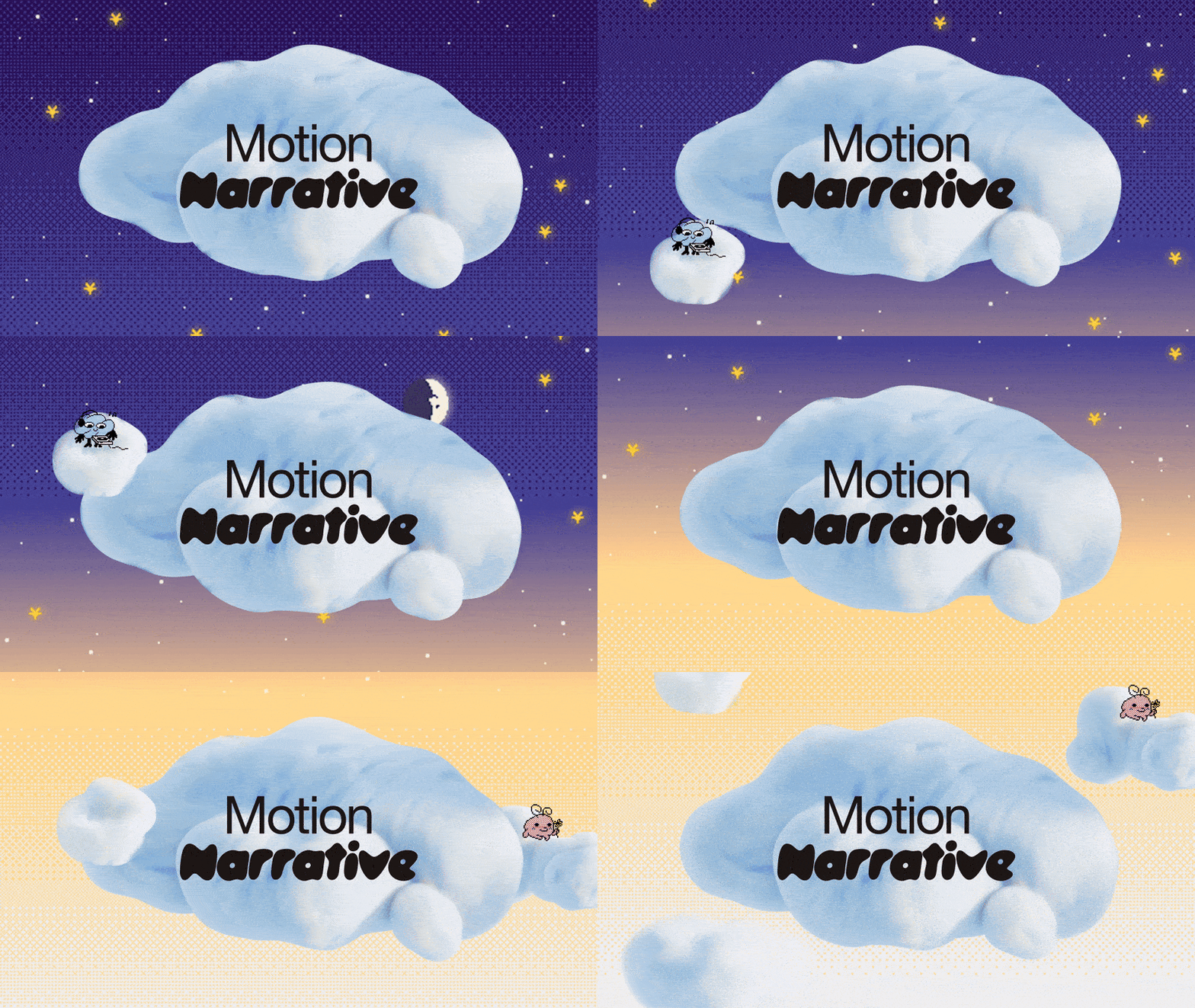
We often talk about the importance of storytelling in website design. With Motion Narrative there’s an incredible opportunity to use movement as a tool to guide visitors through your content and ultimately lead to a call-to-action, like making a purchase or donation or signing up for a mailing list. We love incorporating slow, subtle movement throughout our website designs to add interest without distraction.
Pros: Squarespace has built-in animations that can be used across the site and/or with specific elements.
Cons: Overusing these elements will make visitors dizzy. Be thoughtful when you use motion on your website, and note that you don’t need it on every page, like FAQs or your privacy policy.
Card Play
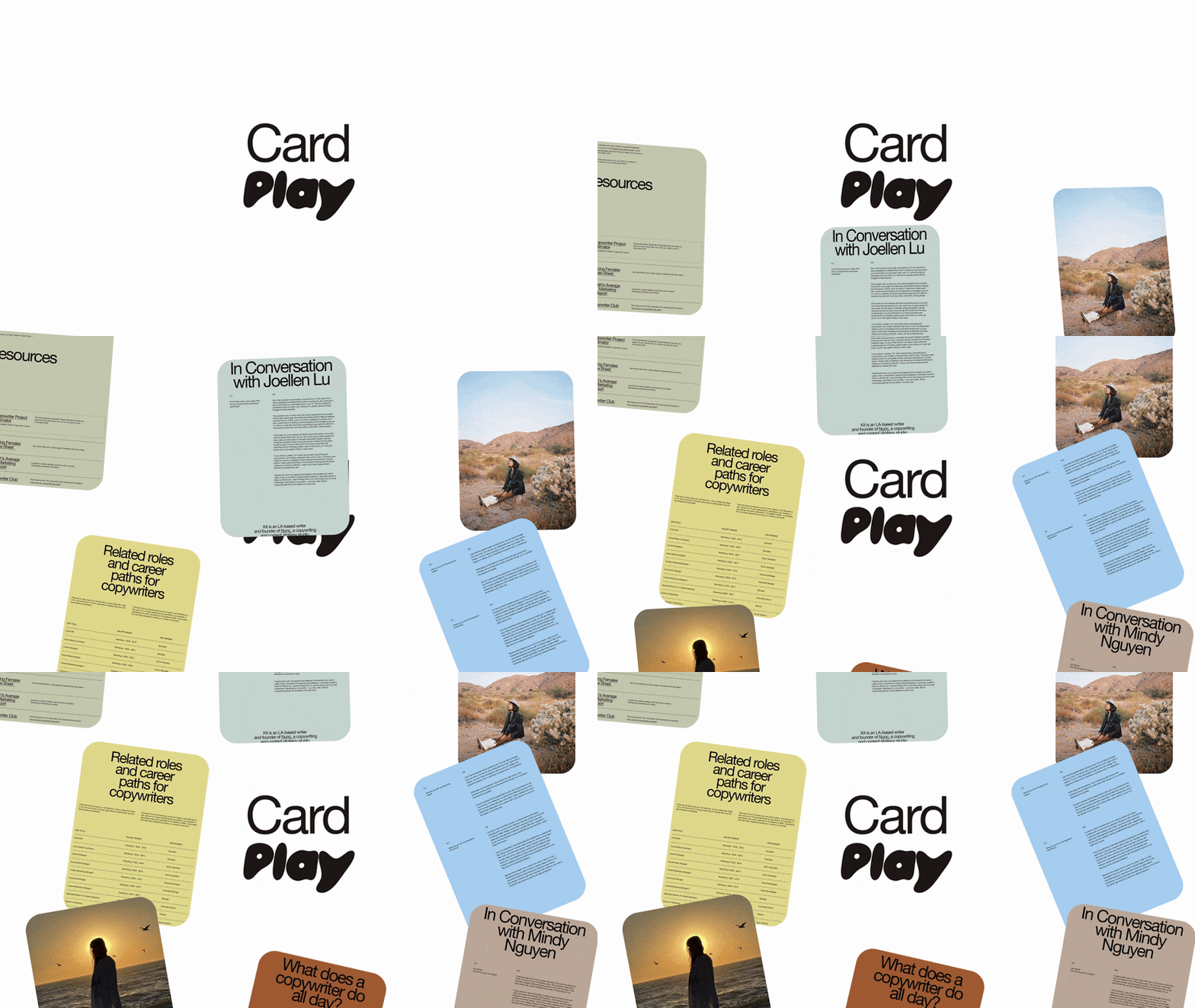
We’re all about structure, and so is Card Play. Similarly to Archival Index, this trend works well for nonprofit organizations and small businesses with a range of offerings, programs, and services. By using a digital card aesthetic, brands can group together the most important details for any given topic, making it ideal for visitors that quickly browse or skim content to find what’s of interest. For example, an arts organization may use this aesthetic for different programming pillars, differentiating between talks, classes, workshops, and films.
Pros: You can incorporate elements from other trends, like Motion Narrative and Glassmorphism to create a truly dynamic online experience.
Cons: Consider white space when adding multiple cards in a grid layout. Stack them too close together and the space begins to feel cluttered.
As with any trend, we’d encourage you not to use these elements just for the sake of it. Every photo, video, bit of copy, and visual effect needs to serve a purpose. Use these design details to help tell your story, sell your product, or garner support. And if you’re ready to traverse this ever-changing digital landscape, we’d love to be your guide. Get in touch with us here.